Archives
- 2026-11
- 2026-10
- 2026-09
- 2026-08
- 2026-07
- 2026-06
- 2026-05
- 2026-04
- 2026-03
- 2026-02
- 2026-01
- 2025-12
- 2025-11
- 2025-10
- 2025-09
- 2025-03
- 2025-02
- 2025-01
- 2024-12
- 2024-11
- 2024-10
- 2024-09
- 2024-08
- 2024-07
- 2024-06
- 2024-05
- 2024-04
- 2024-03
- 2024-02
- 2024-01
- 2023-12
- 2023-11
- 2023-10
- 2023-09
- 2023-08
- 2023-06
- 2023-05
- 2023-04
- 2023-03
- 2023-02
- 2023-01
- 2022-12
- 2022-11
- 2022-10
- 2022-09
- 2022-08
- 2022-07
- 2022-06
- 2022-05
- 2022-04
- 2022-03
- 2022-02
- 2022-01
B lymphocytes are found in blood lymph nodes spleen
2025-01-04
B lymphocytes are found in blood, lymph nodes, spleen and tonsil and other mucosal tissues [110]. These cells originate in the bone marrow from a common progenitor shared with T, NK, and some DC subsets [111]. Progenitor bosentan mg progress through the early stages of maturation, rearranging heavy-
To date the modes of actions of pharmaceuticals in humans
2025-01-04
To date, the modes of actions of pharmaceuticals in humans and mammals are well-known (Fent et al., 2006), whereas knowledge of aquatic organisms, particularly invertebrates, is limited. This is problematic as these contaminants/pollutants have potentially harmful effects on wildlife organisms that
br STAR Methods br Author Contributions br
2025-01-03
STAR★Methods Author Contributions Acknowledgments This study is funded by National Institutes of Health (NIH) Grants NS028901 and DC004450 (to L.O.T.); N.L. Tartar Trust Fellowship (to H.-W.L.); DC014878 to T.S.B. We thank members of the Trussell lab for helpful discussions, Dr. Stephen Dav
According to their structures and substrate
2024-12-31
According to their structures and substrate specificity, MMPs are divided into five major groups: collagenases (e.g., MMP1), gelatinases (e.g., MMP2, MMP9), stromelysins (e.g., MMP3, MMP10), matrilysins (e.g., MMP7), and membrane-type MMPs [7]. Among them, MMP1 is a major collagenase that degrades t
AMPK modulates changes in lipid metabolism via the
2024-12-31
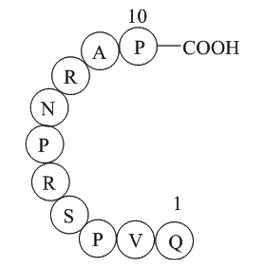
AMPK modulates changes in lipid metabolism via the regulation of fatty Clindamycin Phosphate oxidation and cholesterol synthesis in the liver. The key enzymes involved include ACC and HMGCR [27,28]. Both participate in the rate-limiting steps of fatty acids and cholesterol synthesis and are inactiva
br Role of AR in models of neointima formation
2024-12-30
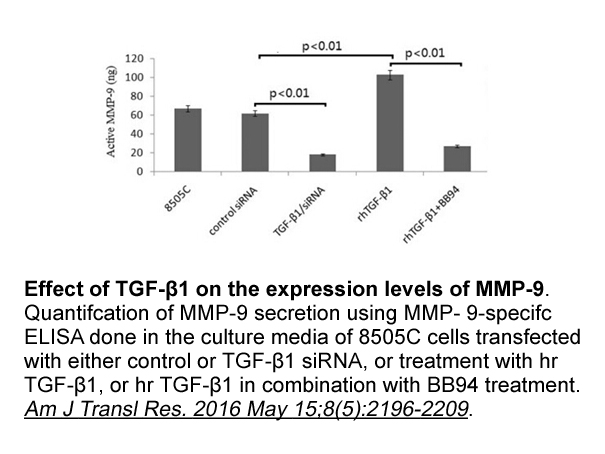
Role of AR in models of neointima formation Investigations into the pathogenesis of lesion formation have often used acute models of mechanical damage to assess the mechanisms regulating the fibro-proliferative response to arterial injury. Models of acute injury used for this purpose include: lig
br Introduction Quenchbody Q body immunoassay
2024-12-30
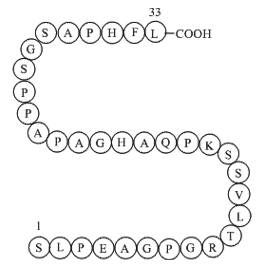
Introduction Quenchbody (Q-body) immunoassay is a novel biosensing technology that uses the quenching of fluorescence by intrinsic tryptophan (Trp) residues in antibody variable regions when dye(s) are conjugated to an antibody or antibody fragments in appropriate position, and de-quenching while
In view of the ubiquitous distribution of the arachidonate S
2024-12-30
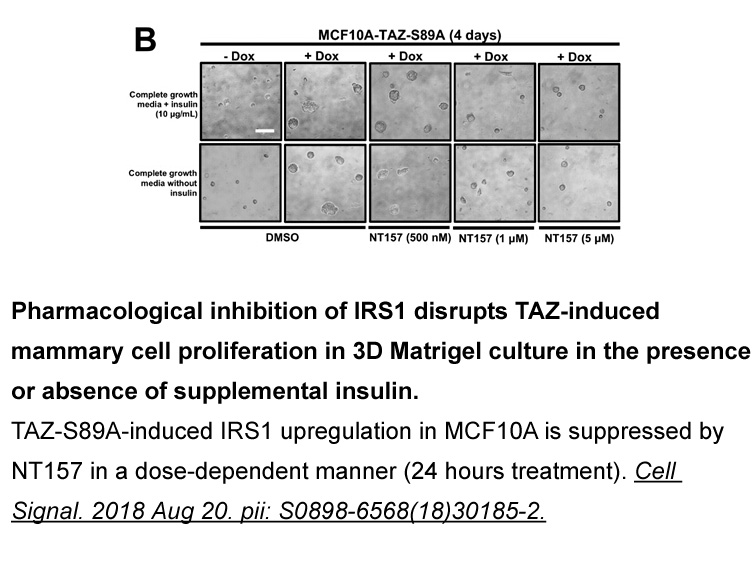
In view of the ubiquitous distribution of the arachidonate 12S-lipoxygenase isoforms and the variety of cellular reactions influenced by the resulting arachidonate metabolites, these products widely play important roles in many biological systems. The development of new type-specific inhibitors of t
Benzoylhypaconitine receptor Most of the identified aldose
2024-12-30
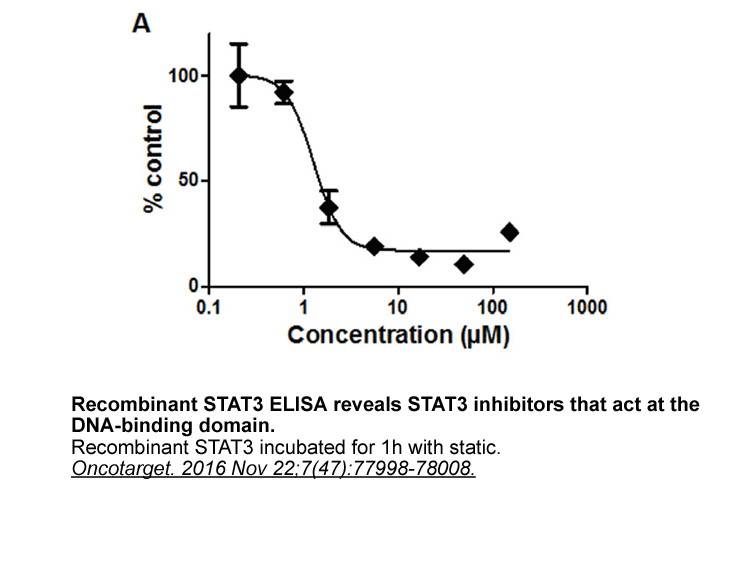
Most of the identified aldose reductase inhibitors possess undesirable effects like poor pharmacokinetic properties, hypersensitivity and Steven-Johnson Syndrome [1]. However, the main side effect is the lack of selectivity relative to aldehyde reductase (ALR1, EC 1.1.1.2). ALR1 plays the important
The lack of specific PARP inhibitors prevents our
2024-12-30
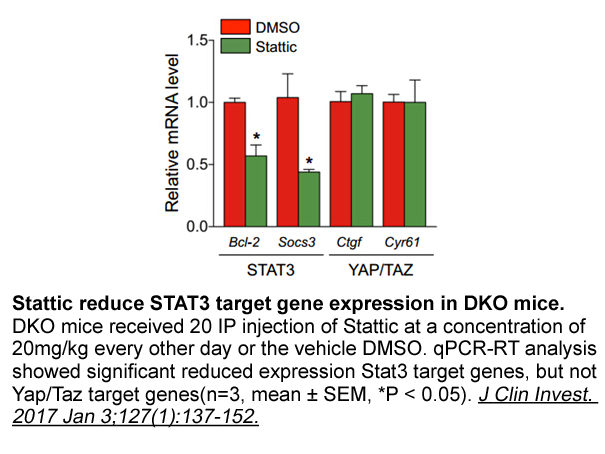
The lack of specific PARP inhibitors prevents our understanding of how TIPARP or perhaps other PARPs affect AHR signaling. Current inhibitors are based on NAM and were designed to inhibit PARP1 [59]. Many of them do not effectively inhibit mono-ADP-ribosyltransferases and their ability to inhibit TI
br Conflicts of interest br
2024-12-30
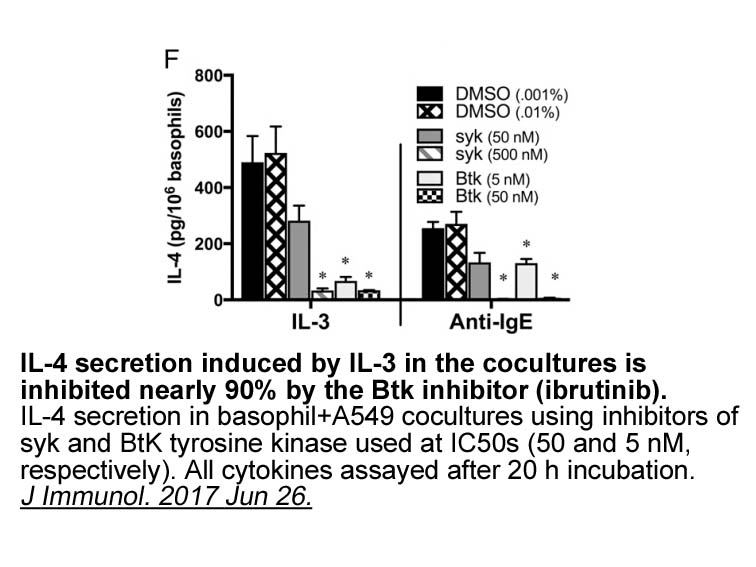
Conflicts of interest Newly Identified Mechanisms of APN Resistance Hold Therapeutic Potential APN, APN Receptors, and APN Cardiovascular Protection APN Resistance in Cardiovascular Disease The Molecular Mechanisms of APN Resistance Concluding Remarks and Future Directions Finally,
sodium ascorbate vs ascorbic acid Structure activity relatio
2024-12-30
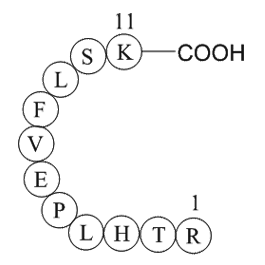
Structure–activity relationships [23], [24], [25], [26], biochemical [24], [25], [26], [27], [28], [29], [30], [31], metabolic [19], [27], [28], [29], [30], [31], and molecular [32] investigations have demonstrated that the substrate specificity, as well as other characteristics of T. gondii adenosi
br Acknowledgement br Introduction There has been great prog
2024-12-30
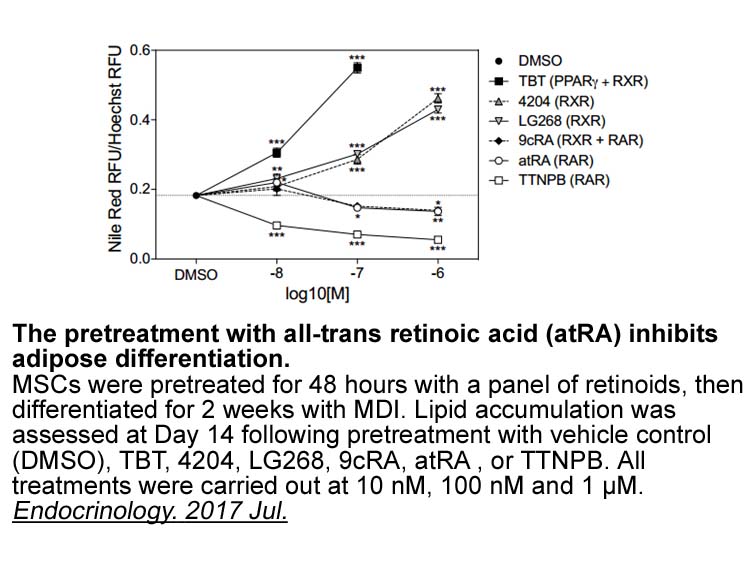
Acknowledgement Introduction There has been great progress in the treatment of autoimmune disease during the past several decades. However, the majority of autoimmune diseases have no known cure. B lymphocytes and autoantibodies play important roles in many autoimmune diseases, including rheum
IGF signaling has been shown to
2024-12-27
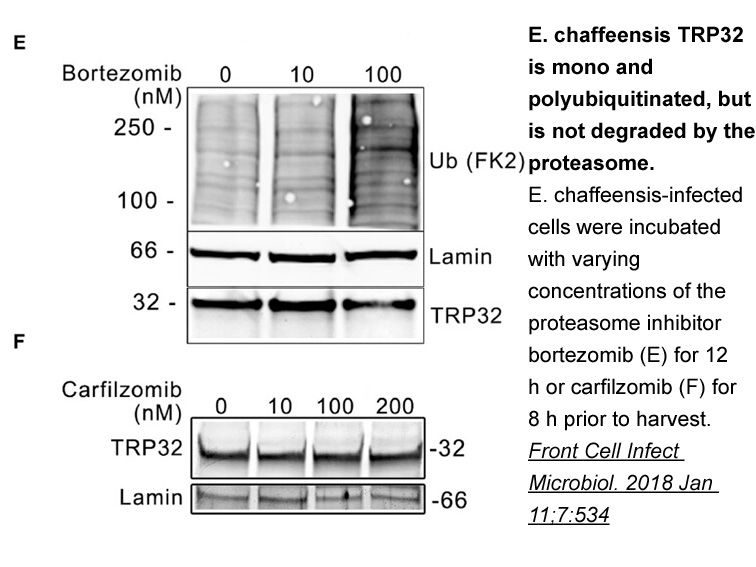
IGF-1 signaling has been shown to induce paxilline changes via interacting with MKK-p38 signaling (Serra et al., 2007) and by perturbing Foxo3a signaling (Stitt et al., 2004), among other mechanisms. The current study demonstrates that the acetyl group itself may be limiting, since IGF-1/ACL/acetyl
br Experimental and simulation section br
2024-12-27
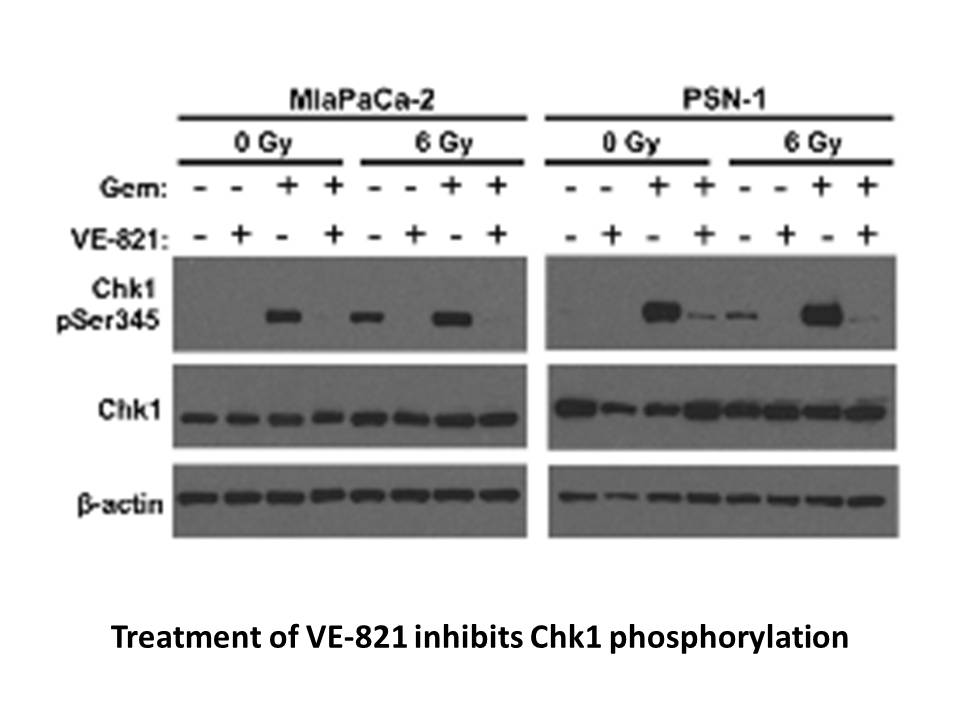
Experimental and simulation section Acknowledgments Financial support for this work was provided by the National Natural Science Foundation of China (No. 81101688). We would like to thank NC State University High Performance Computing Center for providing us computing resources, and Dr. Lihui
7998 records 65/534 page Previous Next First page 上5页 6162636465 下5页 Last page