Archives
- 2026-11
- 2026-10
- 2026-09
- 2026-08
- 2026-07
- 2026-06
- 2026-05
- 2026-04
- 2026-03
- 2026-02
- 2026-01
- 2025-12
- 2025-11
- 2025-10
- 2025-09
- 2025-03
- 2025-02
- 2025-01
- 2024-12
- 2024-11
- 2024-10
- 2024-09
- 2024-08
- 2024-07
- 2024-06
- 2024-05
- 2024-04
- 2024-03
- 2024-02
- 2024-01
- 2023-12
- 2023-11
- 2023-10
- 2023-09
- 2023-08
- 2023-06
- 2023-05
- 2023-04
- 2023-03
- 2023-02
- 2023-01
- 2022-12
- 2022-11
- 2022-10
- 2022-09
- 2022-08
- 2022-07
- 2022-06
- 2022-05
- 2022-04
- 2022-03
- 2022-02
- 2022-01
To test the compounds metabolic stability we measured
2024-11-06
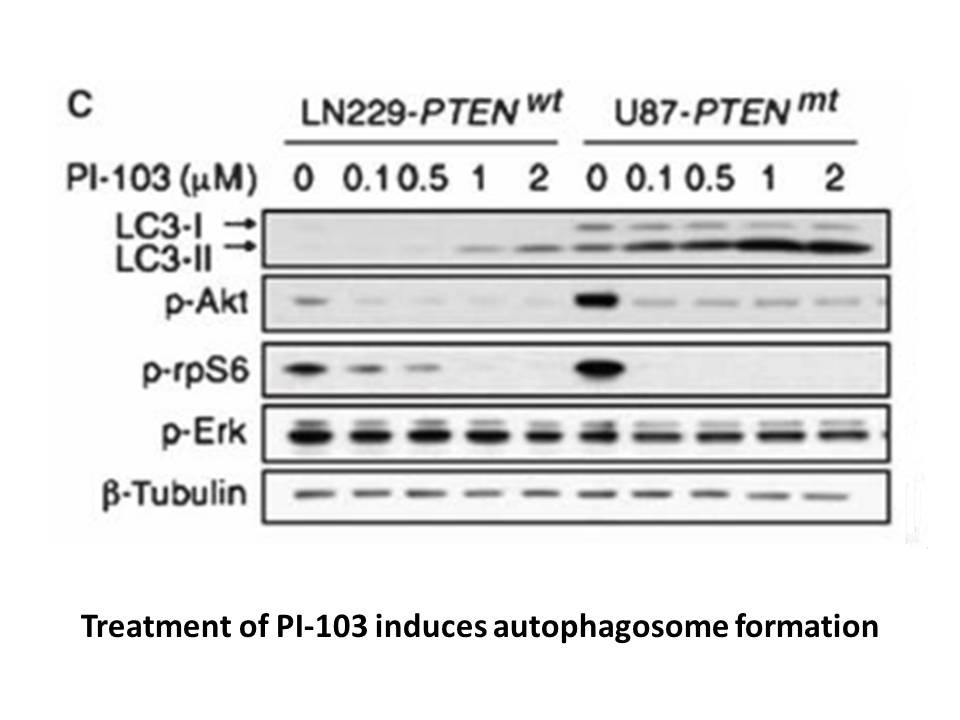
To test the compounds metabolic stability, we measured the half-life of compounds and in mouse hepatic microsomes (1mg/mL) and found them to have modest stability, with half-lives of 7.5 and 2.9min respectively, indicating these compounds may be unsuitable for studies. In order to gain structural i
br Regulation of V ATPase assembly in response to changes
2024-11-06
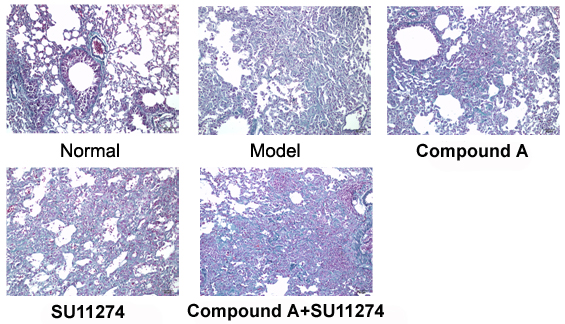
Regulation of V-ATPase assembly in response to changes in amino CGS 21680 HCl sale levels A central regulator of cell growth and metabolism is mTORC1 [38]. mTORC1 integrates signals from nutrient availability and growth factor receptors to control such processes as protein and lipid synthesis an
Introduction Lipoxygenases LOXs are key enzymes that catalyz
2024-11-06
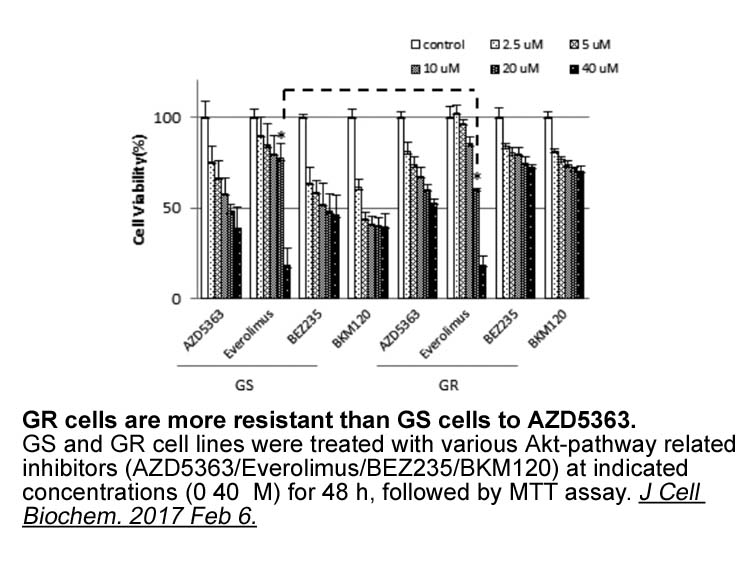
Introduction Lipoxygenases (LOXs) are key enzymes that catalyze the polyunsaturated fatty acids (PUFAs) such as arachidic Crotaline (AA), linoleic acid (LA) and others unsaturated fatty acids (Brash, 1999). LOXs are expressed in immune, neural, epithelial, tumor cells and other cells (Claesson, 20
A large number of studies have shown that oxidative stress
2024-11-06
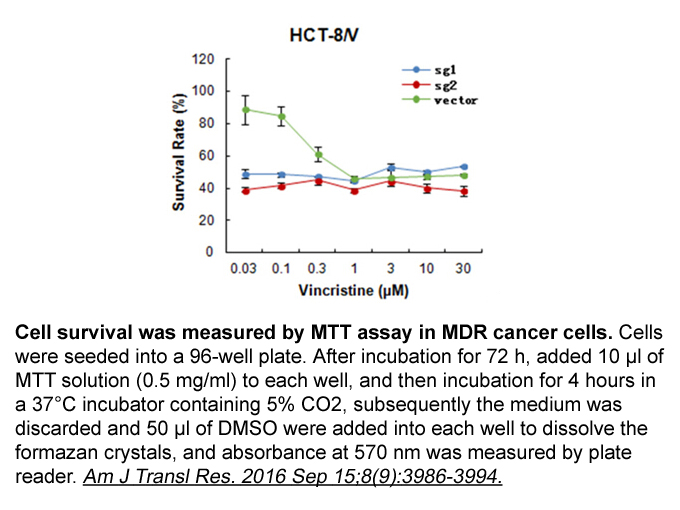
A large number of studies have shown that oxidative stress is involved in the pathophysiological process of ventricular remodeling and is associated with left ventricular dysfunction (Hori and Nishida, 2009, Lord et al., 2010). The generation of reactive oxygen species (ROS) that exceeds anti-oxidat
MMP is the most critical
2024-11-06
MMP9 is the most critical protease which is involved in the degradation of ECM. TIMP-1 is an important regulator in the synthesis and degradation of ECM [8,9]. Hepatic TIMP-1 expression significantly increases in patients with liver fibrosis [10]. Serum level of TIMP-1 expression is positively assoc
The leaves of Bambusa nutans B
2024-11-06
The leaves of Bambusa nutans, B. vulgaris, B. textilis McClure, B. vulgaris var. vittata, and Dendrocalamus oldhami are reported as promising natural alternatives to synthetic antioxidants as functional food ingredients (Tripathi et al., 2015). Luo et al. (2015), identified two novel flavonoids name
Breast Cancer Although androgens have been considered to
2024-11-05
Breast Cancer: Although androgens have been considered to be a risk factor in prostate cancer they have been recommended to treat breast cancers. Even before the discovery of SERMs and aromatase inhibitors, steroidal androgens such as medroxyprogesterone and fluoxymesterone were used to treat breast
Second the phosphorylation events e g
2024-11-05

Second, the phosphorylation events (e.g., α-Thr172 and β-Ser108) needed for AMPK activation by small molecules binding at the ADaM or other sites remains unclear. Within the β-GBD, phosphorylation of β1-Ser108 was shown to be required for the activation by small molecules binding in the ADaM site, s
Elevated aminopeptidase activities were often
2024-11-05
Elevated aminopeptidase activities were often detected in organs of plant with accelerated protein turnover, such as leaves and petals during senescence, fruits maturation or in germinating seeds [22]. Moreover, it was proven that these enzymes take part in defense responses [[23], [24], [25]]. Part
We recently identified a G A
2024-11-05
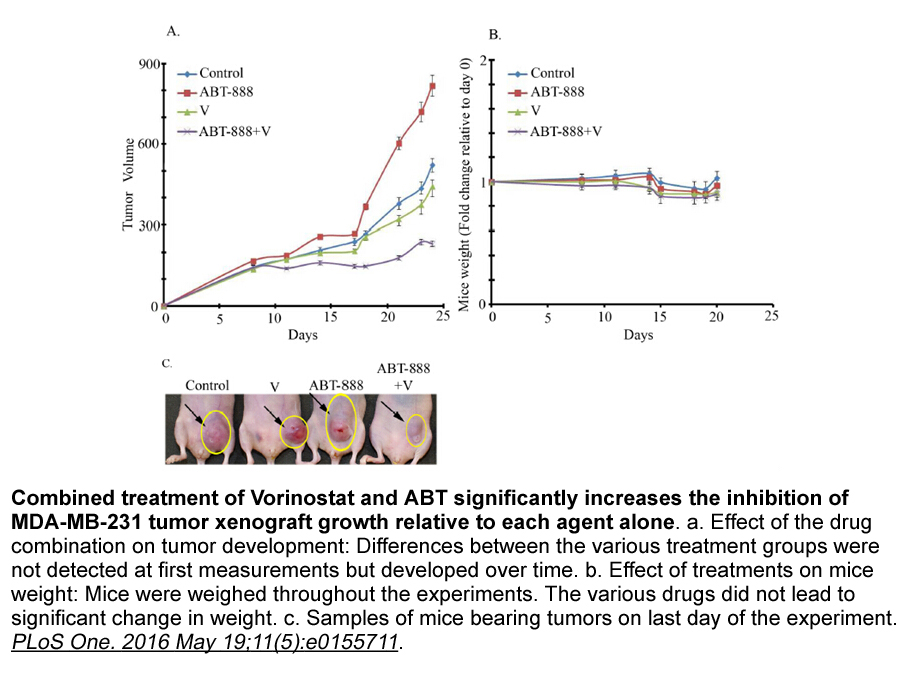
We recently identified a G9A-dependent epigenetic mechanism for transcriptional activation of the serine pathway in cancer cells (Ding et al., 2013). G9A, also known as EHMT2 and KMT1C, is a H3K9 methyltransferase that has a primary role in catalyzing H3K9me1 and H3K9me2 in euchromatin (Shinkai and
Aldose reductase ALR EC the first enzyme in the
2024-11-05
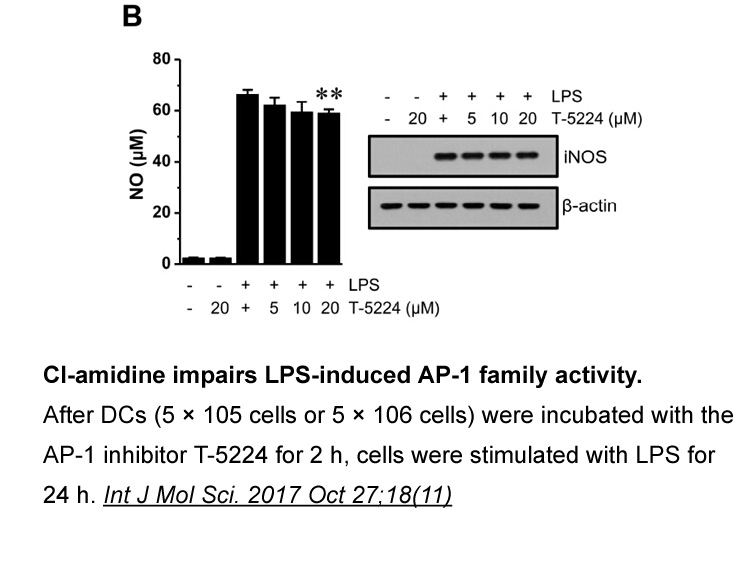
Aldose reductase (ALR2, EC1.1.1.21), the first enzyme in the polyol pathway, is a monomeric oxidoreductase that catalyses the NADPH-dependent reduction of a wide variety of carbonyl compounds, especially glucose. In this metabolism pathway, glucose is firstly reduced to sorbitol catalyzed by ALR2 wi
ALDHs also act as opposite roles in the initiation
2024-11-05
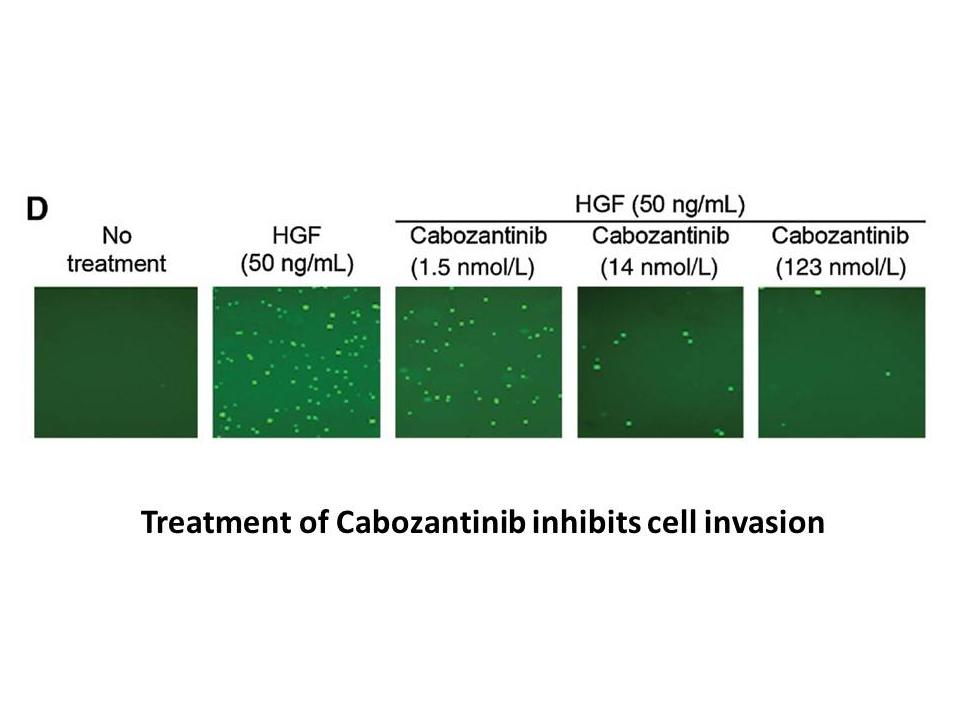
ALDHs also act as opposite roles in the initiation and development of carcinoma. For example, ALDH2, as a key enzyme which oxidises acetaldehyde, participates in alcohol metabolism and is associated with alcohol-mediated carcinogenesis [37]. It has been reported that up to 8% of the world's populati
br Materials and methods br Results br
2024-11-05
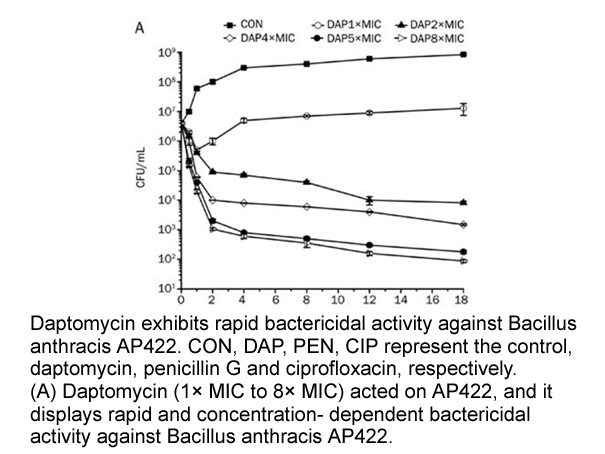
Materials and methods Results Discussion In this study, we observed that PACAP2 immunoreactivity is mainly distributed in the telencephalon, hippocampus, and cerebellum of the zebrafish brain. This distribution pattern is similar to that reported in a previous study in which PACAP immunorea
Ten strains of lactobacilli TMW isogenic with strain F TMW
2024-11-05
Ten strains of lactobacilli: TMW 1.1434 (isogenic with strain F19 ), TMW 1.1733 (isolated from fermented food), TMW 1.1628 (isolated from baby feces), TMW 1.1609 (isolated from baby feces), TMW 1.1734 (isolated from fermented food), TMW 1.313 (isolated from non-pasteurized Heineken beer), TMW 1.465
We have previously reported that interfering with actin asse
2024-11-05
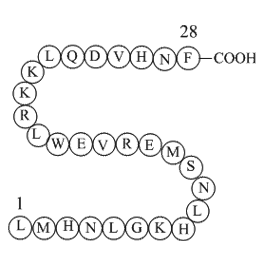
We have previously reported that interfering with exportin assembly dynamics by knocking down cofilin-1 in hMSCs increased polymerized actin that promoted osteoblast cell differentiation through a mechanism of enhancing focal adhesion kinase (FAK), p38 and c-Jun N-terminal kinase (JNK) signaling (C
7999 records 90/534 page Previous Next First page 上5页 8687888990 下5页 Last page